

 More
More

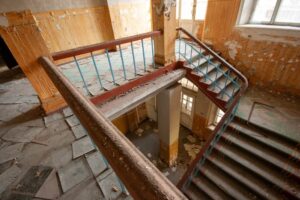
In many situations, your landlord is responsible if you get hurt on their property. This responsibility arises when your injury results from your landlord’s negligence in maintaining a safe environment. A premises liability attorney helps you analyze the situation, gather evidence, and pursue the compensation you need to recover from your injuries.
Key Takeaways
- Landlords in New York have a legal duty to keep their properties in a reasonably safe condition for tenants and visitors.
- Your landlord’s liability often depends on whether they knew or reasonably should have known about a dangerous condition and failed to fix it.
- You may recover compensation for medical bills, lost income, and pain and suffering caused by the landlord’s negligence.
- Documenting the dangerous condition and your injuries immediately after the incident is a key part of a successful claim.
- Speaking with an attorney helps you protect your rights and explore all your legal options for financial recovery.
Establishing Landlord Negligence
 The central question in these cases is whether the landlord was negligent. Simply getting hurt on the property doesn’t automatically mean the landlord is liable. Your lawyer must connect your injury to a specific failure on the landlord’s part.
A successful landlord negligence claim requires showing that the property owner’s carelessness directly caused you harm.
1. The Landlord’s Duty of Care
In New York, property owners, including landlords, owe a duty of care to people on their property. This legal duty requires them to act as a reasonable person to keep the premises safe, which includes conducting regular inspections, making necessary repairs, and warning tenants about known hazards that aren’t obvious.
The law expects them to maintain common areas like hallways, stairs, and parking lots, as well as the structural elements of your individual unit. Landlords may be legally accountable for the consequences when they fail to meet this standard.
The specific actions a reasonable landlord would take depend on the circumstances. For instance, promptly fixing a broken railing is a standard expectation.
2. Proving a Breach of Duty
A breach of duty happens when the landlord fails to meet their legal obligation. Your attorney has to prove that the landlord knew, or through reasonable diligence should have known, about the hazardous condition that caused your injury.
For example, if you reported a loose handrail weeks before you fell, that report demonstrates the landlord had notice. Sometimes, notice can be “constructive,” which means the hazard existed for such a long time that they should have discovered it during routine maintenance or inspections.
A large pothole in the parking lot that has been there for months is a form of constructive notice.
3. Connecting the Breach to Your Injury
You must prove that the landlord’s duty breach directly caused your injuries. Your personal injury lawyer needs to demonstrate a clear link between the unsafe condition and your harm. Without this causation, a premises liability case against a landlord fails.
4. Proving You Suffered Damages
Finally, you must demonstrate that the injury caused you to suffer actual losses. These losses, called damages, include financial costs like medical bills, lost income, and pain and suffering. Proving these losses is the last step to establishing landlord negligence.
Common Causes of Tenant Injuries Due to Landlord Negligence
Many different types of hazardous conditions on a rental property can lead to serious injuries, including:
- Poorly Maintained Walkways: Uneven pavement, cracks, potholes, or icy sidewalks can easily cause a slip and fall on a rental property.
- Defective Staircases: Broken steps, loose floorboards, or missing or wobbly handrails create significant fall risks inside and outside the building.
- Inadequate Lighting: Poorly lit hallways, stairwells, and parking lots can conceal other hazards and contribute to falls or even criminal activity.
- Building Code Violations: Faulty wiring, improper plumbing, or structural defects that violate local building codes are clear indicators of negligence.
- Lack of Security: Broken locks on doors and windows, non-functioning security cameras, or unsecured entry points can make tenants vulnerable to assaults.
What To Do After an Injury on Your Rented Property
Your actions in the hours and days after an injury significantly impact your ability to file a successful claim. After you have received medical attention, take these steps to protect your rights.
Take these five steps if you were injured in your apartment or a common area:
- Document Everything: Use your phone to take clear pictures and videos of the exact location where you got hurt. Capture the specific hazard that caused your injury from multiple angles, such as the broken step, the puddle of water, or the icy patch. Also, take photos of your injuries.
- Report the Incident in Writing: Inform your landlord about the accident and the hazardous condition as soon as possible. Send a written notice via email or certified mail so you have a dated record of the communication. Stick to the facts and avoid blaming or making emotional statements.
- Preserve the Evidence: Keep the shoes and clothing you were wearing during the incident in a safe place without washing them. They might contain evidence useful for your claim. Don’t attempt to repair the hazardous condition yourself.
- Keep a Journal: Start a daily journal to track your pain levels, medical appointments, and how your injuries are affecting your daily life. This documentation is valuable for showing the full impact of the injury. Note any conversations you have with your landlord or their representatives.
- Contact a Premises Liability Attorney: Speak with a lawyer who handles tenant injury rights in New York. An attorney can explain your legal options and begin an immediate investigation to preserve crucial evidence before it disappears.
Types of Evidence in a Landlord Liability Claim
 Your attorney helps you gather and organize all the information needed to demonstrate what happened and why the landlord is responsible.
Important evidence often includes:
- Incident and Injury Photos: This evidence provides a visual record of the dangerous condition that caused your accident and the physical harm you sustained.
- Medical Records and Bills: These documents offer official proof from doctors and hospitals that details your diagnoses, treatments, and the total cost of your medical care.
- Witness Statements: Testimony from neighbors, visitors, or other tenants can confirm how the accident happened or how long the dangerous condition existed.
- Landlord Communications: Gather copies of emails, letters, or text messages you sent to your landlord about the hazard before your injury occurred.
- Maintenance Records: These reports, invoices, or work orders may show that the landlord was aware of a problem but failed to address it properly or in a timely manner.
- Expert Witness Reports: Testimony from engineers or building inspectors may verify that the property didn’t meet safety standards.
Potential Damages You May Recover in a Premises Liability Claim
An injury can create substantial financial and personal hardships. A premises liability lawsuit against a landlord allows you to seek compensation for these losses. An attorney helps you identify and calculate the full value of your claim.
Your recovery may include:
- Medical Expenses: This compensation is for all costs related to your injury, including emergency room visits, hospital stays, surgeries, physical therapy, and prescription medications.
- Lost Wages: You may seek reimbursement for any lost income if you couldn’t work because of your injuries.
- Future Lost Earning Capacity: You may pursue compensation if your injuries prevent you from returning to your previous job or diminish your ability to earn an income in the future.
- Pain and Suffering: This payment addresses the physical pain and emotional distress you have experienced as a result of the accident and your injuries.
- Loss of Enjoyment of Life: This compensation is for how your injuries have negatively impacted your ability to participate in hobbies and activities you previously enjoyed.
Common Defense Strategies That Insurance Companies Use
When you file a claim, your landlord’s insurance provider will investigate the incident. The insurer’s goal is to minimize the amount it pays. It’s not uncommon for them to argue that the landlord isn’t responsible.
Common defensive tactics may include:
- The “Open and Obvious” Doctrine: The insurer might argue that the hazard was so obvious that you should have seen and avoided it, placing the fault on you.
- Shifting Blame: The defense may claim that your own carelessness contributed to the accident, which could reduce the amount of compensation you can receive under New York’s comparative negligence law.
- Lack of Notice: A common argument is that the landlord wasn’t aware of the dangerous condition and therefore had no opportunity to fix it before your injury.
- Tenant Caused the Condition: They may suggest that you created the hazardous condition yourself through misuse of the property or by your own actions.
How a Lawyer Helps With Your Premises Liability Claim
 Pursuing a claim against a landlord and their insurance company is a complex process. A skilled attorney acts as your advocate, managing every aspect of your case so you can focus on your recovery. They bring experience and resources to build a strong foundation for your claim.
Investigating the Incident
Your attorney launches an independent investigation into your accident. This includes visiting the property, photographing the scene, interviewing witnesses, and collecting all relevant documents. This swift action preserves evidence that might otherwise be lost or destroyed.
Calculating Your Full Losses
Your lawyer works with medical and financial professionals to accurately assess the total value of your claim. This calculation includes not just your current medical bills and lost wages but also projected future costs.
Handling All Communication
Once you hire an attorney, they take over all communication with your landlord, their insurance company, and their lawyers. This prevents you from making any statements that an insurer might try to use against you. Your lawyer handles all negotiations and legal filings on your behalf.
Representing Your Interests in Negotiations
Most premises liability cases are resolved through a settlement. Personal injury lawyers are skilled negotiators who know how to present a case in the strongest possible light to secure a fair settlement offer from the insurance company. They can represent your interests in court if a fair agreement cannot be reached.
FAQ for Is My Landlord Responsible if I Get Hurt?
What if My Injury Happened in a Common Area like a Hallway or Parking Lot?
Landlords are almost always responsible for maintaining common areas. These spaces are under their direct control, and they have a clear duty to keep them safe for all tenants and guests. An injury in a poorly lit stairwell or on an icy walkway leading to the building often forms the basis of a strong landlord negligence claim.
How Long Do I Have To File a Claim Against My Landlord?
In New York, the statute of limitations for most personal injury cases is three years from the date of the accident. If you don’t file a lawsuit within this deadline, you’ll likely lose your right to seek compensation forever. Contacting an attorney soon after your injury protects you from missing this critical deadline.
Is My Landlord Responsible if I Get Hurt Because of a Building Code Violation?
A building code violation counts as evidence in a premises liability claim. These codes exist to set minimum safety standards. When a landlord fails to comply with them, such as by not installing a legally required handrail, that failure can be used to establish their negligence.
Do I Still Have a Case if My Lease Says the Landlord Isn’t Responsible for Injuries?
Some landlords include liability waivers in their lease agreements. However, in New York, clauses attempting to exempt a landlord from liability for their negligence are typically unenforceable and considered void against public policy.
Don’t assume you have no case just because of something you see in your lease. Contact a personal injury lawyer to learn about your options.
What if the Landlord Tries To Blame Me for the Accident?
It’s common for landlords and insurers to shift blame to the injured tenant. Even if you’re found to be partially at fault, you may still be able to recover a portion of your damages under New York’s pure comparative negligence rule. An attorney can help defend you against unfair allegations of fault.
We Stand Up for Injured Tenants
You have rights as a tenant, including a safe living environment. When a landlord’s failure to maintain their property causes you harm, you can hold them accountable. The attorneys at Finz & Finz, P.C. have a long history of fighting for people injured by negligence.
We’re ready to listen to your story and explain your options. Contact us today at (516) 433-3000 for a free consultation.