

 More
More

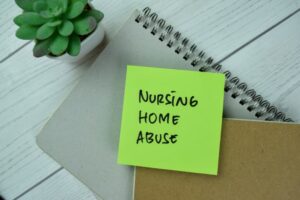
Recognizing the signs of nursing home abuse involves careful observation of physical injuries, emotional and behavioral shifts, environmental red flags, and financial irregularities. A change in your loved one’s condition doesn’t always point to mistreatment, but certain patterns are serious warning signs that demand attention.
A nursing home abuse lawyer helps you interpret these signs, investigate your concerns, and understand the steps to protect your loved one’s rights and safety.
Key Takeaways
- Unexplained injuries such as bruises, cuts, burns, or broken bones are primary red flags.
- Sudden emotional withdrawal, fear of certain staff members, anxiety, or agitation may point to hidden psychological abuse.
- Poor hygiene, untreated bedsores, or rapid weight loss often signal serious nursing home neglect.
- Unusual financial transactions, missing personal items, or abrupt changes to a will may indicate financial exploitation.
Uncovering the Physical Signs of Mistreatment
When you visit a loved one in a nursing home, your focus is on their happiness and comfort. The last thing you want to find is physical signs of harm. Recognizing signs of nursing home abuse starts with looking for injuries that staff members cannot adequately explain.
While elderly residents may be more prone to bruising or falls, some injuries suggest a lack of proper care or intentional harm. Pay close attention to the nature and location of any physical marks.
Injuries That Don’t Add Up
Your loved one’s physical safety is paramount. If certain injuries are inconsistent with the explanations provided by the facility, you may be dealing with elder abuse. A small bump from a fall is one thing; recurring and severe injuries are a real cause for concern.
Bruises on the wrists or ankles, may indicate improper restraint. A pattern of bruises on both sides of the body can suggest being grabbed or held down. Look for broken eyeglasses, cuts, or welts without a clear, documented cause.
Red Flags of Physical Neglect
 Neglect isn’t always about direct harm; sometimes it’s a failure to provide essential care, which can have devastating physical consequences. These failures create dangerous health situations that are entirely preventable with proper attention.
Bedsores, or pressure ulcers, are a common and serious sign of neglect. They develop when a resident is left in one position for too long. Other indicators of failure to provide care include persistent poor hygiene, such as unwashed hair, untrimmed nails, or body odor.
Dehydration and malnutrition, which can lead to sudden weight loss and weakness, are also direct results of neglectful care.
The Dangers of Improper Medication
Medication is a critical part of care for many nursing home residents, but errors can be a form of abuse or neglect. This can include giving the wrong medication, incorrect doses, or missing doses altogether. A loved one who is constantly drowsy or confused may signal overmedication.
Common signs of medication issues include:
- Unusual Drowsiness: Your loved one is much sleepier than usual or difficult to wake.
- Sudden Confusion: They show new or worsening signs of confusion, disorientation, or delirium.
- Missed Doses: You may find pills on the floor or in their bedding, or the pill organizers may not be correct.
- Health Complications: Untreated infections or worsening chronic conditions can result from missed medications for those issues.
Identifying Emotional and Behavioral Warning Signs
The invisible wounds of emotional abuse can be just as damaging as physical ones. Abusive staff members may use intimidation, humiliation, or isolation to control residents, leaving deep psychological scars.
A key part of recognizing signs of nursing home abuse is paying attention to your loved one’s mood and behavior. A once vibrant and social person may become quiet and withdrawn for reasons that are hard to pinpoint.
Trust your instincts if you feel something is wrong. Changes in personality aren’t always a normal part of aging, especially when they appear suddenly. Emotional abuse in nursing homes can cause a resident to live in constant fear and anxiety.
Fearful and Anxious Behaviors
Fear is a powerful indicator that something is amiss. If your loved one seems afraid of a particular staff member or flinches when touched, take it seriously. They may become agitated or start to exhibit unusual, repetitive behaviors like rocking or mumbling to themselves as a coping mechanism.
These behaviors are often more pronounced when a certain caregiver enters the room. A resident may refuse to be left alone with them or become visibly distressed in their presence. Observe these interactions closely, as they provide valuable clues about the dynamics within the facility.
Withdrawal and Depression
Emotional mistreatment often causes residents to retreat into themselves. They may stop participating in social activities they once enjoyed or become unwilling to speak. This emotional isolation is a defense mechanism against further harm.
Look for classic signs of depression, such as persistent sadness, loss of appetite, or changes in sleep patterns. Your loved one might be hesitant to talk openly, especially if they fear retaliation from the abuser.
Creating a safe, private space for them to talk is a simple step, yet it can open the door for them to share what they are experiencing.
Recognizing Signs of Financial Exploitation
 Financial exploitation of the elderly is a calculated form of abuse that preys on a resident’s trust and potential cognitive decline. It ranges from stealing personal items to coercing a resident to change their will. Since financial exploitation leaves no physical trace, it may go unnoticed for a long time.
Perpetrators may be staff members, other residents, or even visiting strangers who gain access to the facility. They exploit the vulnerability of residents who may not fully grasp their financial situation. Keeping a close watch on accounts and legal documents is a powerful protective measure.
Common examples include:
- Missing Valuables: Jewelry, cash, or electronics that disappears from your loved one’s room is a red flag.
- Unexplained Transactions: You may notice unusual withdrawals, new credit cards, or large purchases on their bank statements.
- Changes to Documents: A resident’s will, power of attorney, or property titles are suddenly altered without their clear understanding or consent.
- New “Friends”: Staff members or strangers may suddenly show an intense interest in your loved one’s finances or become new, unauthorized beneficiaries.
- Unpaid Bills: The facility or other creditors may begin sending notices for unpaid bills, even though your loved one has sufficient funds.
Environmental Red Flags Within the Facility
The physical environment of a nursing home often reflects the quality of care residents receive. A poorly maintained or understaffed facility can be a breeding ground for neglect and abuse. When you visit, take a moment to look beyond your loved one’s room and observe the facility as a whole.
These environmental clues provide context for the care your loved one is receiving. Persistent issues may indicate systemic problems within the facility’s management and operations. A high staff turnover rate, for instance, often correlates with lower-quality care.
Some red flags include:
- Unsanitary Conditions: Persistent foul odors, dirty floors, soiled bedding, or pests are signs of a neglectful environment.
- High Staff Turnover: You constantly see new faces and few long-term employees, which can lead to inconsistent and inadequate care.
- Staffing Shortages: There seem to be too few caregivers for the number of residents, leading to long waits for assistance and overwhelmed staff.
- Unresponsive Staff: Caregivers ignore call lights, dismiss your concerns, or refuse to provide straight answers to your questions.
- Social Isolation: Residents are often left alone in their rooms or in common areas without any engagement or activities.
What To Do After Observing Potential Abuse in a Nursing Home
Discovering potential signs of abuse is upsetting, but taking measured, deliberate steps can protect your loved one and hold the facility accountable. The actions you take next create a record of your concerns and initiate a formal process of investigation.
Remember that your voice is a powerful tool for advocacy:
- Document Everything: Write down every observation, including the dates, times, names of staff involved, and specific details of what you saw or heard. If possible, take photos of any injuries or unsanitary conditions as this evidence is difficult to dispute.
- Speak With Your Loved One Privately: Find a calm, private moment to talk to your loved one about what you suspect. Ask gentle, open-ended questions about their care and their relationships with staff. They may be afraid to speak up, so reassure them of your support.
- Report Concerns to Facility Management: Schedule a meeting with the nursing home administrator or director of nursing. Present your documented concerns in a clear, factual manner and provide copies of your notes and photos. Request a written plan of action.
- File a Formal Complaint: Don’t stop with the facility’s management. Report your suspicions to the New York Department of Health. This triggers an independent investigation.
- Contact a Nursing Home Abuse Lawyer: An attorney who handles these cases offers invaluable legal guidance. They can advise you on your rights, help you navigate the reporting process, and work to protect your loved one.
How a Lawyer Helps With a Nursing Home Abuse Claim
An elder abuse lawyer becomes your family’s strongest advocate, handling the complex legal aspects of the claim so you can focus on your loved one’s well-being.
Investigating the Abuse or Neglect
An attorney can conduct a thorough investigation, gathering and analyzing evidence that you might not be able to access on your own. This includes demanding medical records, facility staffing logs, incident reports, and state inspection records.
They also identify and interview witnesses, such as other residents, family members, and former employees, to build a comprehensive case.
Handling Communication
An attorney acts as your official representative. They manage all communications with the nursing home’s administration, their insurance company, and their legal counsel. This prevents these parties from trying to intimidate you or downplay your concerns.
Protecting Your Loved One’s Rights
Your attorney’s primary goal is to protect your loved one. They provide counsel on the best course of action, whether it involves ensuring better care at the current facility or helping you find a safer one. They fight to uphold the resident’s legal rights to safety, dignity, and proper medical care.
FAQ for How To Recognize Signs of Nursing Home Abuse?
What Is the Difference Between Nursing Home Abuse and Neglect?
Abuse is the intentional act of causing harm, while neglect is the failure to provide necessary care. Abuse includes physical, emotional, or financial mistreatment, whereas neglect involves inaction, such as failing to provide food, water, hygiene, or medical care. Both are serious and lead to significant harm.
What Are the Most Common Behavioral Signs of Elder Abuse?
The most common behavioral signs include sudden withdrawal from social activities, increased anxiety or fear (especially around certain caregivers), depression, and agitation. A resident may also become uncommunicative, hesitant to speak openly, or exhibit unusual behaviors like rocking or mumbling.
How Can I Prove My Loved One Is Being Mistreated in Their Nursing Home?
Proving nursing home mistreatment involves meticulous documentation. Keep a detailed journal of your observations, take clear photos of any injuries or unsanitary conditions, and collect the names of witnesses.
A nursing home abuse lawyer helps you gather additional evidence like medical records, staffing schedules, and official facility reports to build a strong, fact-based case.
What Legal Action Can I Take if I Suspect Abuse in a Nursing Home?
If you suspect abuse, you can file a formal complaint with the appropriate state agency and consult with a personal injury attorney. A lawyer can help you file a lawsuit against the facility and any liable individuals to seek compensation for your loved one’s injuries, medical costs, and suffering.
What Is the Best Way To Document What I Observe?
Create a detailed timeline of events, carefully recording the date, time, and location for each observation you make. Describe exactly what you saw or heard using objective language and be sure to name any staff members or residents who were present.
If you have photographs, make sure they’re dated and clearly show the injury or condition in question.
Take a Stand for Your Loved One’s Safety
Your vigilance is the first line of defense in protecting your family member from harm. You’re not overreacting by asking questions and demanding answers. Don’t let your fears and suspicions go unanswered when your loved one’s health and dignity are at stake.
The dedicated attorneys at Finz & Finz, P.C. are here to listen. We fight for the rights of nursing home residents and their families across New York. Call us today at (516) 433-3000 for a confidential consultation to learn how we can help.