

 More
More

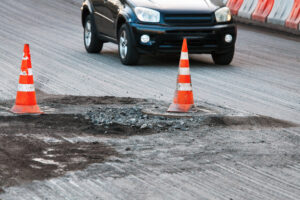
When potholes swallow your tire on the FDR Drive or construction plates send your car sliding on Atlantic Avenue, determining liability becomes complex. Multiple government agencies, contractors, and property owners may share responsibility for road hazards, but strict notice requirements and tight deadlines can bar your claim entirely.
Municipal laws, claim deadlines, and notice requirements make it challenging for injured drivers to get compensation after an accident. At Finz & Finz, P.C., our car accident lawyers can help you through these challenges, build your claim, and manage the administrative process associated with many road hazards claims.
Key Takeaways for Road Hazard Liability in NYC
- New York City typically requires proof of prior written notice about a road defect before accepting liability for pothole or roadway hazard claims
- You must file a Notice of Claim within 90 days against NYC agencies, with different deadlines for state entities, the MTA, and Port Authority
- Multiple parties may share liability, including NYC DOT, utility companies like Con Edison, construction contractors, and adjacent property owners
- Evidence like 311 complaint histories, DOT maintenance requests, and dash cam footage helps prove the responsible party knew about dangerous conditions
- Even with government liability established, you still need to meet New York’s serious injury threshold to pursue pain and suffering damages beyond no-fault benefits
Municipal Liability for NYC Road Hazards
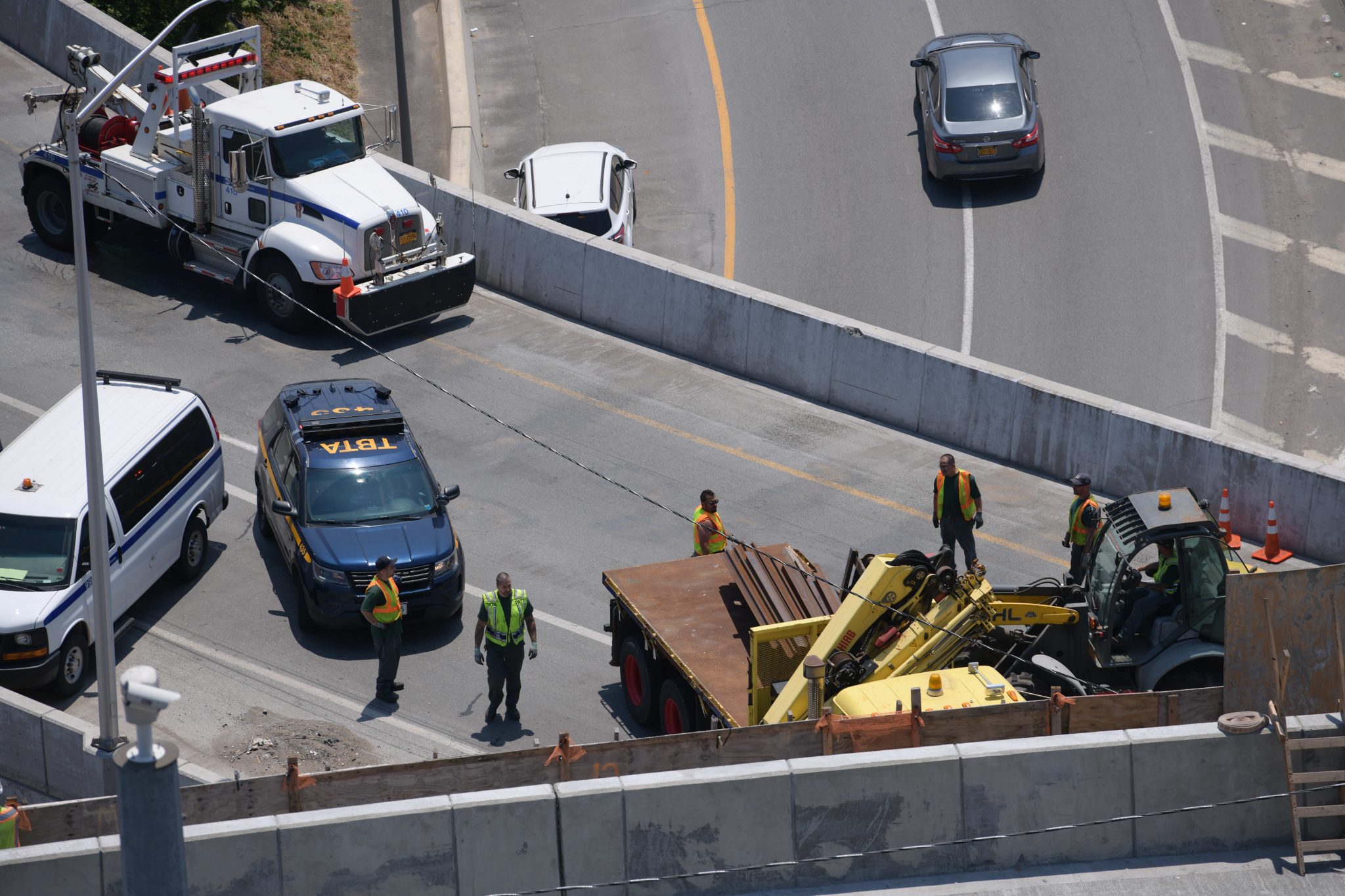
New York City maintains over 6,000 miles of streets, making road maintenance a massive undertaking. When dangerous conditions cause accidents, the city’s liability depends on specific legal requirements that differ from standard negligence claims. The most significant hurdle injured drivers face is the prior written notice requirement.
The Prior Written Notice Requirement
Under NYC Administrative Code § 7-201, the city isn’t liable for injuries from defective streets, sidewalks, or roadways unless it received prior written notice of the specific condition. This means someone must have previously reported the exact pothole, crack, or defect to the city through DOT reports or other documented communications. The city must have had reasonable time to repair the defect after receiving notice, and the defect causing your accident must match the reported condition.
This rule protects the city from liability for conditions it couldn’t reasonably know about, but it also creates a significant burden for injured drivers. Without proof of prior written notice, many valid claims fail regardless of injury severity. Discovering whether the city had notice requires extensive investigation into 311 records, DOT maintenance logs, and community complaints.
Exceptions to Prior Written Notice
Courts recognize limited exceptions where prior written notice isn’t required, though these remain difficult to prove.
Affirmative Negligence:
Affirmative negligence applies when the city or its contractors created the dangerous condition through their own work. For example, if city crews improperly patched a pothole that later collapsed, or if city contractors left steel plates unsecured after utility work.
Special Use Exception:
The special use exception applies when the city derives a special benefit from the area where the defect exists, such as a roadway used primarily for city operations or facilities.
Immediate Hazardous Condition Exception:
The immediate hazardous condition exception, though rarely successful, applies to defects so dangerous that they constitute a trap or snare requiring immediate action regardless of notice. Courts set a high bar for this exception, typically requiring conditions that would inevitably cause accidents.
The 90-Day Notice of Claim Requirement
Beyond proving the city knew about a hazard, injured parties must file a formal Notice of Claim within 90 days of the accident. This document must specify the date, time, and location of the accident, describe the road hazard and how it caused the crash, identify witnesses, detail injuries and damages, and state the amount of compensation sought. The Notice of Claim must be served on the NYC Comptroller’s Office.
Missing this 90-day deadline usually bars your claim entirely, though courts may grant limited extensions in extraordinary circumstances such as severe injuries preventing timely filing. The Notice of Claim starts a 30-day period where the city can demand a 50-H hearing to question you under oath about the incident. This hearing occurs before litigation begins and creates sworn testimony that can impact your case.
Identifying Potentially Liable Parties
Road hazard accidents may involve multiple responsible parties beyond just New York City. Each entity has different notice requirements, deadlines, and liability standards that injured drivers must understand and follow precisely.
City, State, and Regional Agencies
New York City Department of Transportation (NYC DOT):
- Maintains city streets, traffic signals, streetlights, and most roadway infrastructure
- Prior written notice usually required for potholes, cracks, and pavement defects
- Different rules may apply for malfunctioning traffic signals or missing signs
- Claims handled by Big Apple Pothole and Sidewalk Protection Corporation
New York State Department of Transportation (NYS DOT):
- Controls major highways: FDR Drive, West Side Highway, portions of the BQE
- Notice of Claim required within 90 days (or court permission for late filing)
- Court of Claims lawsuit must be filed within two years
- Different prior notice standards than city claims
MTA and New York City Transit Authority:
- Maintains infrastructure around subway stations, bus stops, and transit facilities
- 90-day Notice of Claim requirement with special coordination for no-fault claims
- Different sovereign immunity protections than city agencies
- Potential limitations on available damages
Port Authority of NY:
- Controls bridges, tunnels, and some major roadways
- Bi-state agency with unique legal considerations
- Notice requirements typically one year (not 90 days)
- Claims filed directly with Port Authority, potentially higher damage caps
Private Company Liability
Utility Companies:
Utility companies frequently excavate streets, creating potential liability when construction work causes accidents. Various utilities may dig up New York’s streets thousands of times annually for repairs and upgrades. These companies may bear responsibility for:
- Improperly secured steel plates or trench covers
- Inadequate warnings or barriers around work zones
- Failure to properly restore pavement after completing work
- Violations of DOT permit requirements for street work
Construction Contractors:
Construction contractors working on city projects represent another source of potential liability. Unlike government entities, private contractors don’t enjoy sovereign immunity protections and face the standard three-year negligence statute of limitations.
They may be liable for failing to follow approved traffic control plans, maintaining inadequate barriers, leaving debris in roadways, or creating dangerous conditions through their work.
Adjacent Property Owners:
Adjacent property owners also bear certain responsibilities that can affect road safety. Under NYC Administrative Code § 7-210, property owners must maintain sidewalks adjacent to their property. This liability can extend to roadway accidents when sidewalk defects cause drivers to swerve, inadequate snow removal creates hazardous conditions, or construction materials encroach into traffic lanes.
Common Road Hazards Leading to Liability Claims
Identifying the hazard that caused your accident helps identify responsible parties and applicable legal standards. New York City’s diverse infrastructure creates various dangerous conditions that can cause serious accidents, including potholes, construction zones, failing infrastructure, and weather-related hazards.
Potholes
Potholes are the most notorious road hazard in New York City. These defects form when water seeps into pavement cracks, freezes and expands, then thaws, leaving cavities that grow with each vehicle impact.
Pothole liability depends on size and depth with courts generally requiring defects to be substantial enough to constitute a genuine hazard rather than minor surface imperfections. Location matters too, as potholes in main travel lanes receive different legal treatment than those on shoulders or parking areas.
Construction Zones
Construction zones create multiple accident risks. Steel plates covering excavations must be properly secured and installed with beveled edges to prevent tire catching. When plates shift or edges protrude, serious accidents can result.
Active construction also requires proper traffic control following the Manual on Uniform Traffic Control Devices (MUTCD) standards. Contractors who fail to maintain adequate barriers, lighting, or lane markings may share liability for resulting accidents.
Infrastructure Failures
Traffic control devices are critical safety features, and their failure can directly cause accidents. Malfunctioning traffic signals that display conflicting colors or go completely dark eliminate the orderly flow that drivers expect at intersections. Missing or knocked-down stop signs remove essential warnings, while faded lane markings can cause head-on collisions when drivers can’t determine proper positioning.
Weather-Related Hazards
Weather-related hazards require special consideration under New York law, especially when dealing with common claims in winter. After snowstorms, the city has a grace period before liability attaches for uncleared roads. However, situations like chronically flooded areas due to blocked storm drains may establish constructive notice if the city knew about persistent drainage problems. Fallen tree limbs or storm debris also create immediate hazards that require prompt removal once reported.
Building Your Road Hazard Accident Case
Success in road hazard claims requires immediate action and thorough documentation. The first steps you take after an accident often determine whether you can overcome the city’s prior written notice defense.
Professional investigators and attorneys can help you investigate the hazard and the party responsible for it. They can assist in gathering crucial information like:
Physical Evidence at the Scene:
- Professional photographs with proper scale measurements of potholes, cracks, or defects
- Documentation of steel plate placement, edges, and securing mechanisms
- Measurements of sight lines, lighting conditions, and visibility obstructions
- Weather and road surface conditions at the time of accident
- Presence or absence of warning signs, barriers, or traffic control devices
Documentary Evidence from Government Sources:
- 311 complaint histories through targeted FOIL requests
- DOT maintenance logs and inspection reports
- Prior repair records showing recurring problems at the location
- Planned paving schedules indicating knowledge of area-wide issues
- Community board minutes discussing the hazard
Third-Party Evidence:
- Surveillance footage from nearby businesses (before it’s overwritten)
- Traffic camera recordings from DOT or law enforcement
- Witness statements from area residents about how long hazards existed
- Google Street View historical images showing hazard progression
- Social media posts documenting the dangerous condition
Technical Analysis:
- Engineering expert evaluation of whether conditions met safety standards
- Accident reconstruction showing how the defect caused your crash
- Pattern evidence of multiple accidents at the same location
- Comparison of the hazard to applicable design and maintenance standards
An experienced attorney knows which agencies to contact, how to phrase a Freedom of Information Law (FOIL) request, and has connections to expert witnesses who can analyze whether road conditions violated industry standards, when needed. This professional approach to evidence gathering often determines whether you receive fair compensation or face claim denial.
Overcoming Common Defenses in Road Hazard Cases

Government entities and their attorneys may raise defenses that require strategic preparation to overcome.
No Prior Written Notice
The no prior written notice defense is one of the most common in municipal road hazard cases. Countering this defense requires thoroughly investigating all possible notice sources, particularly formal written notice received by the DOT.
Even if you can’t find a specific complaint about your pothole, evidence of widespread complaints about the road segment may establish constructive notice or proof that city crews previously patched the same area could suggest knowledge of ongoing problems.
Open and Obvious Hazard
Defendants may argue the hazard was open and obvious, claiming you should have seen and avoided it. Showing factors that obscured the hazard, such as pooled water hiding pothole depth, shadows from buildings or overpasses, or heavy traffic preventing lane changes, can weaken these arguments. Your speed and attention to surrounding traffic also matter, as drivers can’t be expected to constantly scan for road defects while navigating New York City traffic.
Comparative Negligence
Comparative negligence arguments attempt to shift blame onto you. New York’s pure comparative negligence rule reduces your recovery by your percentage of fault but doesn’t bar recovery entirely. Showing you drove appropriately for conditions, couldn’t safely avoid the hazard, and that other drivers experienced similar problems at the location can help demonstrate you drove responsibly.
FAQ About Road Hazard Accident Claims in NYC
What if I Hit a Pothole but Didn’t Crash into Another Vehicle?
Single-vehicle accidents caused by road hazards still qualify for claims against responsible parties. Your collision coverage may initially pay for vehicle damage, but you can pursue reimbursement from the city or other liable parties if you meet the notice requirements.
Can Passengers in My Vehicle File Their Own Claims for Road Hazard Accidents?
Yes, passengers can file separate personal injury claims against the same responsible parties.
What Happens if the City Repairs the Hazard before I Can Document It?
Quick repairs could indicate the city’s awareness of a dangerous condition, potentially supporting your claim. Your attorney can still obtain before-and-after photos through dated Google Street View images, maintenance records showing emergency repair orders, and witness statements about the hazard’s previous condition.
Do I Need to Report the Hazard to 311 after My Accident?
While reporting isn’t legally required for your claim, it creates an official record and may prevent future accidents. However, your post-accident report won’t satisfy your claim’s prior written notice requirement since notice must precede the accident.
Can I Sue if I Swerved to Avoid a Pothole and Hit Something Else?
Yes, evasive action to avoid a dangerous road hazard can still establish causation for your accident. You’ll need to prove the hazard was severe enough to justify swerving and that your response was reasonable under the circumstances.
Next Steps on Your NYC Road Hazard Accident Claim

Stuart L. Finz, Brooklyn Car Accident Lawyer
Road hazard accidents in New York City involve strict deadlines and complex requirements that can destroy valid claims. At Finz & Finz, P.C., our four former judges and trial attorneys have spent over 40 years overcoming prior written notice defenses and navigating municipal claim requirements. We know which FOIL requests uncover hidden complaints, when affirmative negligence exceptions apply, and how to preserve evidence before it disappears.
Don’t let critical deadlines expire or accept the city’s denial as final. Call (212) 513-1000 today for a free consultation about your road hazard accident. We’ll identify potentially liable parties, file proper notices, and fight for compensation. With our “No Win, No Fee” guarantee, you pay nothing unless we recover for your injuries.
- About the Author
- Latest Posts

Finz & Finz, P.C. is a New York and Long Island personal injury law firm based out of Mineola, NY. It was founded in 1984 and is highly rated, with many honors and awards of excellence.