

 More
More

Most patients assume the hospital is responsible for everything that happens inside its walls. In anesthesia malpractice cases, that assumption runs headfirst into a legal structure designed to limit hospital exposure.
Many anesthesiologists in New York practice as independent contractors rather than hospital employees, and hospitals routinely use that classification to argue they bear no liability for the anesthesiologist’s negligence.
But that shield has limits. New York law recognizes several doctrines that may hold a hospital accountable even when the anesthesiologist who caused the harm was not technically on the hospital’s payroll.
Understanding anesthesia error liability in New York and who is responsible requires looking beyond job titles and into the actual relationships between the hospital, the anesthesiologist, nurse anesthetists, and the patient.
If you experienced a serious anesthesia injury during a procedure at a New York City hospital, Finz & Finz, P.C., offers a free case review to help you identify every responsible party.
Key Takeaways About Anesthesia Error Liability in New York
- Anesthesiologists in New York frequently practice as independent contractors, which hospitals use to limit their own liability for anesthesia errors.
- The apparent authority doctrine may hold a hospital liable for an independent contractor anesthesiologist’s negligence if the patient reasonably believed the anesthesiologist was part of the hospital’s medical team.
- When a CRNA (certified registered nurse anesthetist) administers anesthesia under an anesthesiologist’s supervision, both the supervising physician and the hospital that employed the CRNA may share liability.
- Hospitals may also face direct institutional liability for negligent credentialing, inadequate staffing, or failure to maintain proper anesthesia equipment and protocols.
When Is the Anesthesiologist Personally Liable for an Error in New York?
The anesthesiologist who directly managed your anesthesia bears personal liability for any failure to meet the standard of care, regardless of whether they practiced as a hospital employee or an independent contractor. Independent contractor status does not shield the individual physician from a malpractice claim. It only affects whether the hospital shares in that liability.
Types of Errors That Create Direct Anesthesiologist Liability
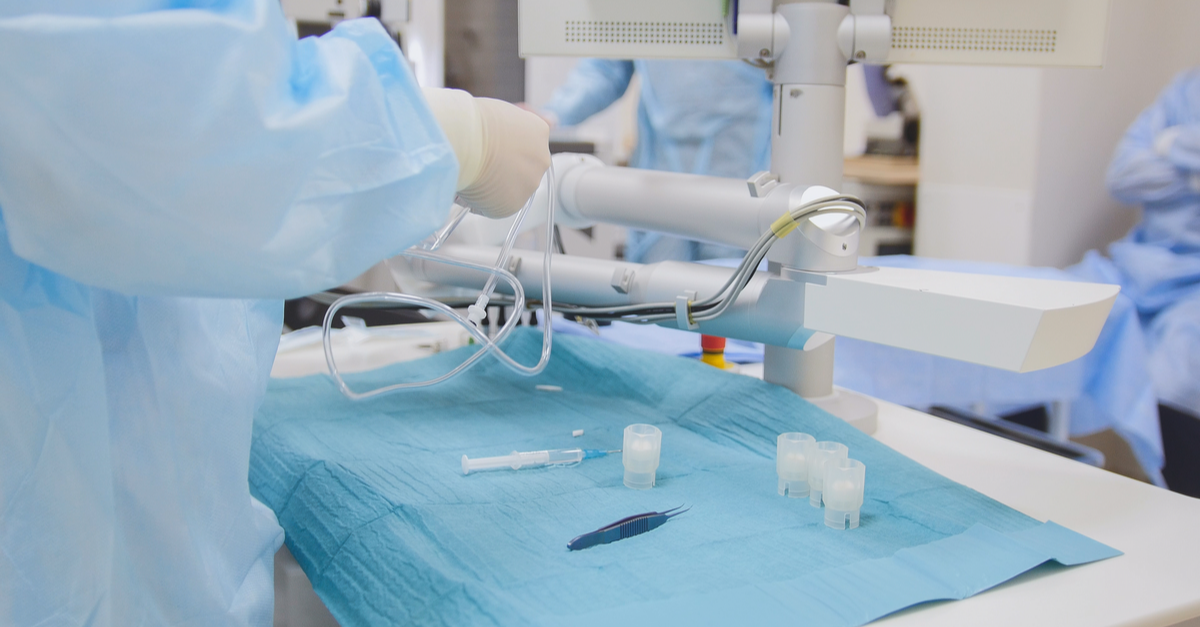 The anesthesiologist’s personal liability arises from failures in the clinical duties they owed to you as a patient. The following errors may form the basis of a direct claim against the anesthesiologist.
- Administering an incorrect dosage of anesthetic agents, leading to overdose, underdose, or cardiovascular instability during the procedure
- Failing to conduct a thorough pre-operative assessment that accounts for your medical history, current medications, allergies, and airway characteristics
- Mismanaging the airway, including esophageal intubation (placing the breathing tube in the esophagus instead of the trachea), failed intubation attempts, or delayed recognition of a lost airway
- Failing to monitor vital signs and respond to warning signs of physiological deterioration during the procedure
- Inadequately supervising a CRNA who was administering anesthesia under the anesthesiologist’s direction
An anesthesiologist who committed any of these errors faces personal liability in a New York malpractice claim, and independent contractor status provides no protection against that claim. The question that requires deeper investigation is whether the hospital also bears responsibility.
When Does a New York Hospital Share Liability for an Anesthesia Error?
Hospitals in New York City, from large academic medical centers in Manhattan to community hospitals across Brooklyn, Queens, the Bronx, and Staten Island, may face liability for anesthesia errors through several distinct legal pathways. The specific pathway depends on the anesthesiologist’s employment status, the hospital’s own institutional conduct, and the patient’s reasonable expectations about who was providing care.
Vicarious Liability for Hospital Employees
New York law holds employers vicariously liable for the negligent acts of their employees performed within the scope of their duties. When an anesthesiologist is a direct employee of the hospital, the hospital bears liability for the anesthesiologist’s errors alongside the individual physician. The same principle applies when a hospital-employed CRNA commits an error during anesthesia administration.
The Apparent Authority Doctrine
Even when the anesthesiologist is technically an independent contractor, the hospital may face liability under apparent authority, sometimes called ostensible agency. This doctrine applies when the patient reasonably believed the anesthesiologist was acting as part of the hospital’s medical team and the hospital did nothing to correct that belief.
In most hospital settings, patients do not choose their anesthesiologist, do not know the physician’s employment status, and have no reason to believe the anesthesiologist operates independently from the hospital.
New York courts have recognized that when a hospital holds out a physician as part of its care team and the patient relies on that appearance, the hospital may not avoid liability simply by pointing to a contractor agreement signed behind the scenes.
Direct Institutional Liability
Separate from the anesthesiologist’s employment status, a hospital may face direct liability for its own institutional failures that contributed to the anesthesia error. The following hospital-level failures may create independent grounds for a malpractice claim.
- Negligent credentialing, meaning the hospital granted privileges to an anesthesiologist without adequately verifying their qualifications, training, or disciplinary history through the National Practitioner Data Bank or state licensing boards
- Staffing shortages that left the anesthesia team without adequate coverage, resulting in one anesthesiologist supervising too many simultaneous cases or a CRNA working without proper physician oversight
- Failure to maintain or properly calibrate anesthesia equipment, including ventilators, monitoring devices, and drug delivery systems
- Failure to enforce anesthesia safety protocols, including pre-operative checklists, time-out procedures, and post-operative monitoring standards
Direct institutional liability holds the hospital accountable for its own conduct rather than for the conduct of an individual physician. These claims may proceed even when the anesthesiologist’s independent contractor status blocks a vicarious liability claim.
How Does CRNA Nurse Anesthetist Malpractice Work in New York?
Certified registered nurse anesthetists administer a significant portion of anesthesia care in New York hospitals, often working under the supervision of an anesthesiologist. When a CRNA commits an error during anesthesia administration, the liability analysis involves both the CRNA’s own conduct and the adequacy of the supervising anesthesiologist’s oversight.
How CRNA Supervision Affects Liability
New York requires physician supervision of CRNAs, and the supervising anesthesiologist bears responsibility for the CRNA’s clinical decisions during the procedure. When a CRNA error occurs, liability may extend in several directions.
- The CRNA faces personal liability for their own negligent acts, just as any licensed medical professional does.
- The supervising anesthesiologist may face liability for failing to provide adequate oversight, failing to intervene when the CRNA’s management fell below the standard, or failing to be physically available when the clinical situation required their presence.
- The hospital that employed the CRNA bears vicarious liability for the CRNA’s negligence, because CRNAs are typically hospital employees rather than independent contractors.
The layered supervision model in anesthesia care creates multiple points of potential liability. A thorough investigation of the anesthesia record, the supervision arrangement, and the hospital’s staffing practices reveals which parties bear responsibility for your injury.
What Filing Deadlines Apply to Anesthesia Liability Cases in New York?
 New York’s medical malpractice statute of limitations under CPLR § 214-a gives patients two years and six months from the date of the negligent act or the end of continuous treatment to file a lawsuit.
Compressed Deadlines for Public NYC Hospitals
Claims against public hospitals in the NYC Health + Hospitals system require a Notice of Claim within 90 days of the procedure, and the lawsuit must be filed within one year and 90 days. Missing the 90-day deadline nearly always bars the claim entirely.
Wrongful Death After an Anesthesia Error
If a family member died because of an anesthesia error during a procedure at a New York hospital, the estate’s representative generally has two years from the date of death to file a wrongful death claim.
The 90-day Notice of Claim requirement still applies for deaths at public facilities. Because anesthesia liability cases involve multiple potential defendants, identifying all responsible parties early protects both the filing timeline and the strength of the claim.
How Finz & Finz Identifies Liable Parties in New York Anesthesia Cases
Anesthesia injury cases often involve multiple providers, including hospitals, anesthesia groups, physicians, and nurse anesthetists. Determining liability depends on how these relationships are structured. Finz & Finz, P.C., has handled medical malpractice cases across New York City for over 40 years, recovering more than $1 billion in verdicts and settlements. Past results do not guarantee future outcomes.
Investigating Provider Relationships
The firm reviews employment agreements, independent contractor arrangements, credentialing records, and anesthesia group contracts to determine each provider’s legal status—whether employee, contractor, or temporary physician. These distinctions directly affect liability.
Medical Review and Certificate of Merit
New York requires a Certificate of Merit under CPLR § 3012-a. Finz & Finz works with board-certified anesthesiologists who review the anesthesia record, assess whether the standard of care was met, and identify the cause of injury. This analysis, combined with the contractual review, determines which parties are named in the claim.
FAQs for Anesthesia Error Liability in New York and Who Is Responsible
If the anesthesiologist was an independent contractor, is the hospital off the hook?
Not necessarily. The apparent authority doctrine may hold the hospital liable if you reasonably believed the anesthesiologist was part of the hospital’s team and the hospital did nothing to inform you otherwise. The hospital may also face direct liability for negligent credentialing, staffing failures, or equipment deficiencies.
What is the difference between vicarious liability and direct hospital liability in anesthesia cases?
Vicarious liability holds the hospital responsible for the negligent acts of its employees. Direct liability holds the hospital responsible for its own institutional failures, such as granting privileges to an unqualified anesthesiologist, failing to maintain equipment, or staffing the anesthesia department inadequately. Both paths may apply in the same case.
What if a CRNA administered my anesthesia and made an error?
The CRNA faces personal liability for the error. The supervising anesthesiologist may also face liability for inadequate oversight. And the hospital that employed the CRNA bears vicarious liability for the CRNA’s negligence. All three parties may be named in the claim depending on the facts.
How do I find out whether my anesthesiologist was a hospital employee or an independent contractor?
Your legal team investigates this by obtaining the contractual agreements between the hospital and the anesthesia provider or group. Patients typically have no way of knowing this information on their own, which is why the apparent authority doctrine exists to protect patients who reasonably assumed the physician was part of the hospital’s staff.
How long do I have to file an anesthesia malpractice lawsuit in New York?
Under CPLR § 214-a, you have two years and six months from the date of the procedure or the end of continuous treatment. Claims against public NYC hospitals require a Notice of Claim within 90 days. Wrongful death claims must generally be filed within two years of the date of death.
Identify Every Responsible Party in Your New York Anesthesia Error Case

Stuart L. Finz, New York City Anesthesia Error Lawyer
The anesthesiologist, the hospital, the anesthesia group, the supervising physician, and the nurse anesthetist may all bear a share of responsibility for the injury you suffered. Naming only one defendant when multiple parties are liable may leave significant compensation on the table and allow responsible parties to escape accountability.
Finz & Finz, P.C., investigates the full web of contractual, employment, and supervisory relationships behind your anesthesia care, retains board-certified anesthesiologists who review every clinical decision in the record, and pursues claims against every party whose conduct fell below the standard of care.
Filing deadlines in New York are strict, and public hospital cases carry a 90-day Notice of Claim requirement. Contact Finz & Finz today for a free case review.
- About the Author
- Latest Posts

Finz & Finz, P.C. is a New York and Long Island personal injury law firm based out of Mineola, NY. It was founded in 1984 and is highly rated, with many honors and awards of excellence.