How to Recognize Nursing Home Abuse in Brooklyn Care Facilities
Physical abuse in nursing homes manifests through unexplained injuries, bruises in various stages of healing, and residents showing fear around certain staff members. Emotional abuse leaves different scars, including withdrawal from activities, depression, and sudden behavioral changes. Financial exploitation occurs when staff members steal money, forge checks, or manipulate residents into changing their wills.
Signs of Physical and Medical Neglect in Brooklyn Nursing Homes
Medical neglect happens when facilities fail to provide proper care, leading to bedsores, malnutrition, and preventable infections. Warning signs of medical neglect include:
- Untreated bedsores that develop into serious wounds requiring hospitalization
- Dehydration symptoms like dry mouth, sunken eyes, and decreased urination
- Medication errors causing overdoses, missed doses, or dangerous drug interactions
- Falls resulting from inadequate supervision or faulty equipment
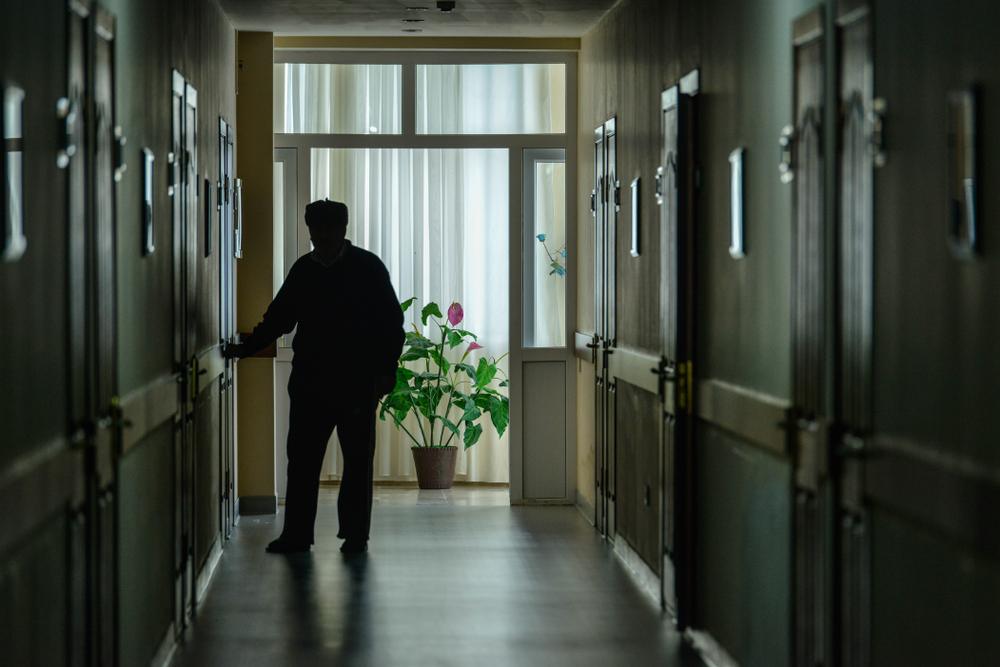
These preventable conditions often point to deeper systemic problems, where cost-cutting takes precedence over resident care. Brooklyn facilities struggling with staffing shortages often cut corners on basic care, leaving residents to suffer the consequences.
Environmental and Social Warning Signs
Unsafe living conditions create hazards that endanger every resident in the facility. Poor sanitation, broken equipment, and inadequate security measures violate New York health codes. Social isolation tactics, where staff members restrict visitation or communication with family, are all signs of ongoing nursing home abuse.
Residents in facilities near Marine Park or Coney Island Hospital may face additional barriers to quality care due to limited oversight or resources. Geographic isolation sometimes enables facilities to operate with less oversight, making regular family visits and monitoring particularly important for resident safety.
Legal Rights for Brooklyn Nursing Home Residents Under New York Law
New York Public Health Law Article 28 establishes minimum standards for nursing home care throughout Brooklyn and beyond. These regulations require facilities to maintain adequate staffing, provide proper medical treatment, and protect residents from abuse. The New York State Department of Health enforces these standards through regular inspections and complaint investigations.
Federal regulations under the Nursing Home Reform Act provide additional protections for nursing home residents. These laws guarantee residents the right to be free from physical restraints, receive adequate nutrition, and maintain their dignity. Violations of these regulations create grounds for legal action against negligent facilities.
Filing Deadlines and Legal Requirements
New York’s statute of limitations for nursing home abuse cases typically allows three years from the date of injury to file a lawsuit. However, different deadlines may apply depending on the type of abuse and when it was discovered. Some key considerations for Brooklyn nursing home cases include:
- Discovery rule extensions when abuse remains hidden until after the typical deadline
- Shorter filing periods for claims against municipal facilities operated by New York City
- Special procedures required when pursuing wrongful death claims for deceased residents
- Administrative complaint requirements that may affect your civil lawsuit timeline
Missing these deadlines eliminates your right to seek compensation, making prompt legal consultation vital. Brooklyn families facing nursing home abuse need attorneys who understand both state and city-specific legal requirements.
Types of Compensation Available for Nursing Home Abuse
Nursing home abuse victims may recover compensation for medical expenses, pain and suffering, and emotional distress caused by mistreatment. Families who lose loved ones to nursing home neglect may pursue wrongful death claims for funeral expenses and loss of companionship. Punitive damages may apply when facilities show deliberate indifference to resident safety.
Calculating Damages in Brooklyn Nursing Home Cases
Medical costs form the foundation of most nursing home abuse claims. Hospital bills for treating bedsores, malnutrition, or abuse-related injuries quickly accumulate. Future medical needs, including ongoing therapy or permanent care requirements, factor into compensation calculations.
Non-economic damages recognize the human cost of nursing home abuse. Physical pain, emotional trauma, and loss of life enjoyment carry real value beyond medical bills. Brooklyn juries understand how abuse destroys the golden years that residents should enjoy peacefully.
Financial exploitation cases require different damage calculations. Stolen money, fraudulent transactions, and coerced gifts must be traced and recovered. Our attorneys work with forensic accountants when necessary to document the full extent of financial abuse.
Brooklyn Nursing Homes With History of Violations
Several Brooklyn facilities have faced citations for inadequate care, understaffing, and safety violations. The Centers for Medicare & Medicaid Services maintains public records of nursing home inspections and violations. Families researching facilities near Brooklyn College or along Ocean Parkway can access these reports before selecting care providers.
Past violations don’t guarantee current problems, but patterns of citations suggest ongoing issues. Facilities with repeated staffing violations often struggle to provide adequate care. Those with multiple infection control citations may pose health risks to vulnerable residents.
How to Choose a Safe Nursing Home in Brooklyn for Your Loved One
Prevention remains the best protection against nursing home abuse. Research facilities thoroughly, visiting during different times to observe staff interactions.
Ask about staff-to-resident ratios, training programs, and complaint procedures. Tour the entire facility, not just showcase areas.
Brooklyn families have many care options across the borough, but safety and quality should matter more than location. Regular visits help monitor care quality and demonstrate to staff that someone watches over your loved one.
What to Do When You Suspect Nursing Home Abuse in Brooklyn
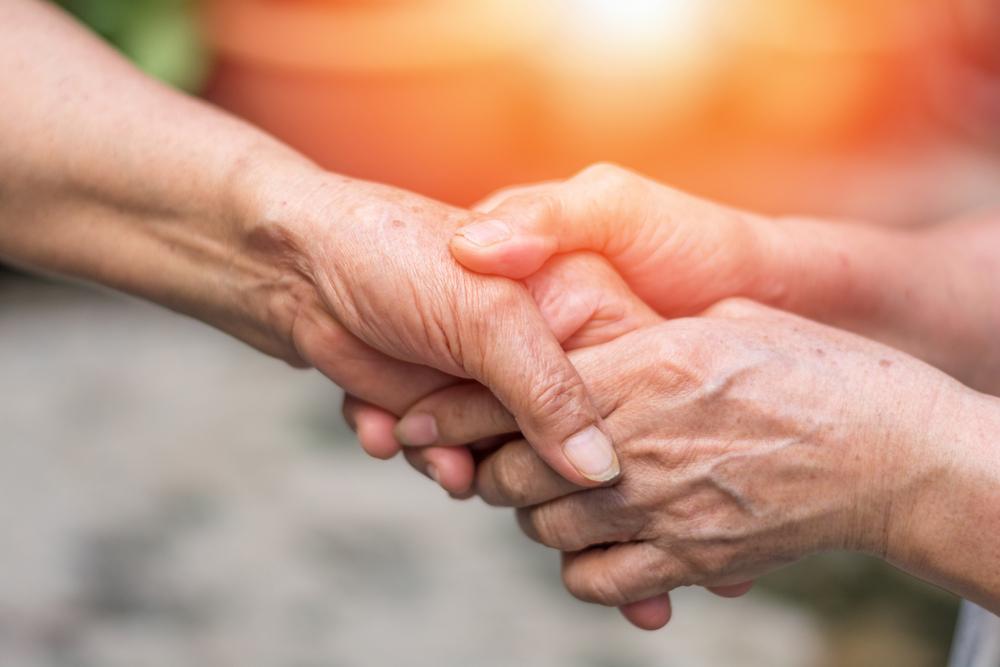
If you believe your loved one is suffering abuse or neglect in a Brooklyn nursing home, careful documentation is the first and most important step. Begin by photographing any visible injuries, noting the time, date, and circumstances under which you discovered them.
Keep detailed records of conversations with staff and administrators, and preserve all medical reports, medication lists, and incident forms. Reporting your concerns directly to facility management helps establish a clear paper trail of your efforts to protect your loved one.
You should also contact Adult Protective Services by calling 311 to begin an official investigation and create a formal record of suspected abuse.
Protecting Your Loved One During a Brooklyn Nursing Home Abuse Investigation
During the investigation of nursing home abuse, your loved one’s safety must remain the top priority. Consider requesting increased supervision, the installation of monitoring equipment if facility policy allows, or temporary relocation to another room or facility if there is an immediate risk of harm. Some families choose to hire private caregivers to help monitor daily care and provide additional oversight while the investigation proceeds.
Because administrative investigations often take time, it is important to have an attorney who can act quickly to protect your loved one. Our Brooklyn nursing home abuse lawyers work directly with state agencies and regulatory authorities while pursuing civil actions against negligent facilities. This coordinated approach compels nursing homes to correct unsafe conditions and prevent further harm.
Relocating your loved one requires thoughtful planning and careful consideration of available options. Facilities in areas such as Fort Hamilton or Brooklyn Heights may provide safer environments and higher standards of care. Our firm assists families through every step of this process, helping them secure appropriate placements while preserving their legal rights against those responsible for the abuse or neglect.
FAQs for Brooklyn Nursing Home Abuse Lawyers
What qualifies as nursing home abuse under New York law?
Nursing home abuse includes physical harm, emotional mistreatment, sexual assault, financial exploitation, and neglect of basic care needs. New York law recognizes both intentional abuse and negligent care that causes harm. Even isolated incidents of rough handling or verbal threats constitute abuse requiring legal intervention.
How long do I have to file a nursing home abuse lawsuit in Brooklyn?
Most nursing home abuse claims must be filed within three years of the injury date in New York. Wrongful death claims have a two-year deadline from the date of death. Claims against New York City-operated facilities require filing a notice of claim within 90 days, making immediate legal consultation necessary.
What evidence helps prove nursing home abuse cases?
Medical records, photographs of injuries, witness statements, and facility inspection reports provide strong evidence. Staffing records showing inadequate coverage and previous violation histories strengthen your case. Video surveillance, when available, offers compelling proof of abuse or neglect.
Can I sue if my loved one died from nursing home neglect?
Yes, family members may file wrongful death lawsuits when nursing home neglect causes a resident’s death. These claims seek compensation for medical expenses, funeral costs, and loss of companionship. New York law designates specific family members who may pursue these claims.
How much does hiring a Brooklyn nursing home abuse lawyer cost?
Most nursing home abuse attorneys work on contingency, meaning you pay nothing unless they win your case. Attorney fees come from the settlement or verdict amount, not your pocket. Free consultations let you understand your options without financial obligation.
What government agencies oversee Brooklyn nursing homes?
The New York State Department of Health conducts regular inspections and investigates complaints. Adult Protective Services responds to abuse reports. The Centers for Medicare & Medicaid Services oversees facilities accepting federal funding.



 More
More